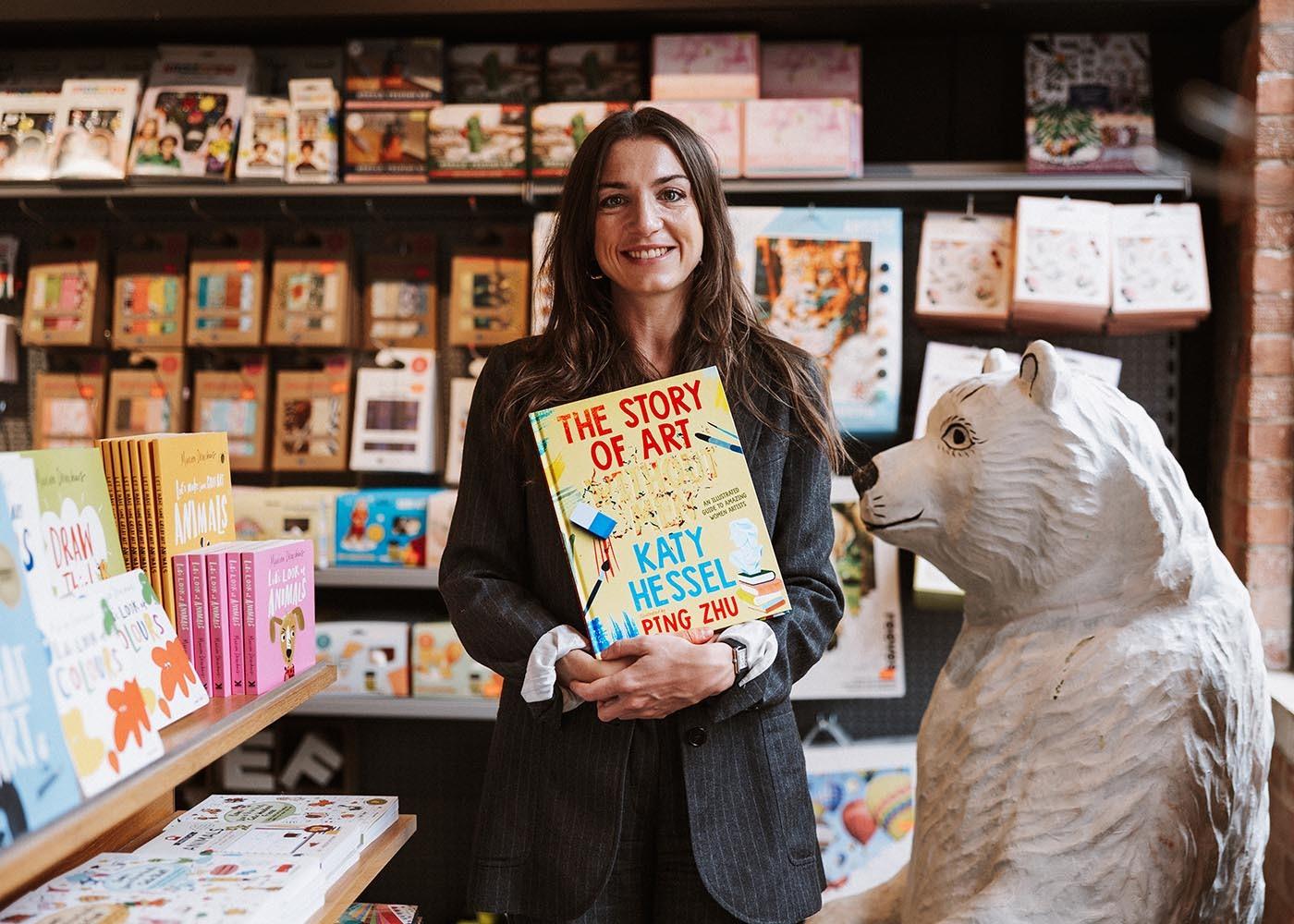
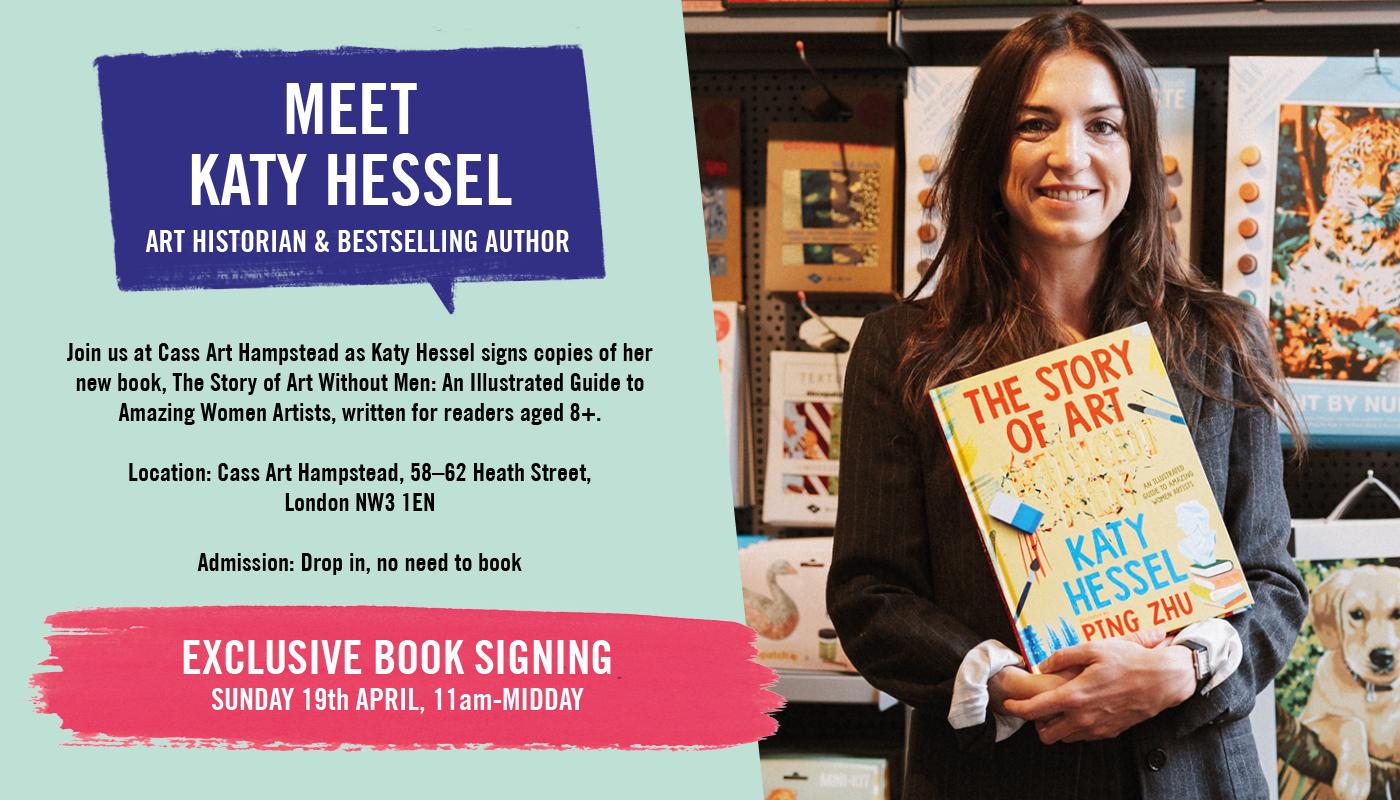
Art historian, writer and 2026 Cass Art Prize judge Katy Hessel returns to The Story of Art Without Men with a new illustrated edition for younger readers, brought to life by illustrator Ping Zhu. Rather than simplifying art history, the book opens it up — inviting children to look closely, ask questions and form their own responses to art. We were delighted to speak to Katy about how this new edition came together.
The adult edition of The Story of Art Without Men is expansive and beautifully unapologetic. When translating that into a children’s book, what felt most important to protect — complexity, honesty, or curiosity?
I think I wanted to speak to them on a level that was equal and invite them into the world of art to expand their sense of beauty. There is so much that children and adults can learn from art. One of those things is the many ways that people have expressed and created in the past.
The children's book is not dumbing the book down in any sense. If anything it's cutting through in a sharper way with honesty, curiosity and complexity.
You speak directly to the reader throughout, often asking them how artworks make them feel. Why was it important that this book teaches children how to look at art, not just what to know about it?
I wanted to teach my young reader that there is no wrong or right way to talk about art. I want to give them validation to express what they want to express and see the object how they might want to see it. I've been going into a lot of primary schools and I just find it extraordinary what children come up with. Actually, they help me see something in a more exciting and expansive way.
There’s a strong emphasis on access — who was allowed to learn, to travel, to be seen. Why do you think those structural barriers are essential for children to understand early on?
Museums are so often built in ways that are grand and imposing. Historically, they were built for a certain type of person in a certain type of class. While that is no longer the case, those imposing physical structures still exist. I want to show them that they can be part of this world.
Museums are free in this country. I was lucky to go to museums from a very early age and as a result I always felt like I belonged. I want to do the the same for young readers now.
The recurring art tasks invite children to respond creatively rather than passively. What do you hope those moments unlock for a young reader encountering art history for the first time?
I love the art tasks because, firstly, they are great activities and already set classes for teachers, or for parents for Easter holidays or weekends. But also, they’re a way for the child to apply how the artist saw the world to their life.
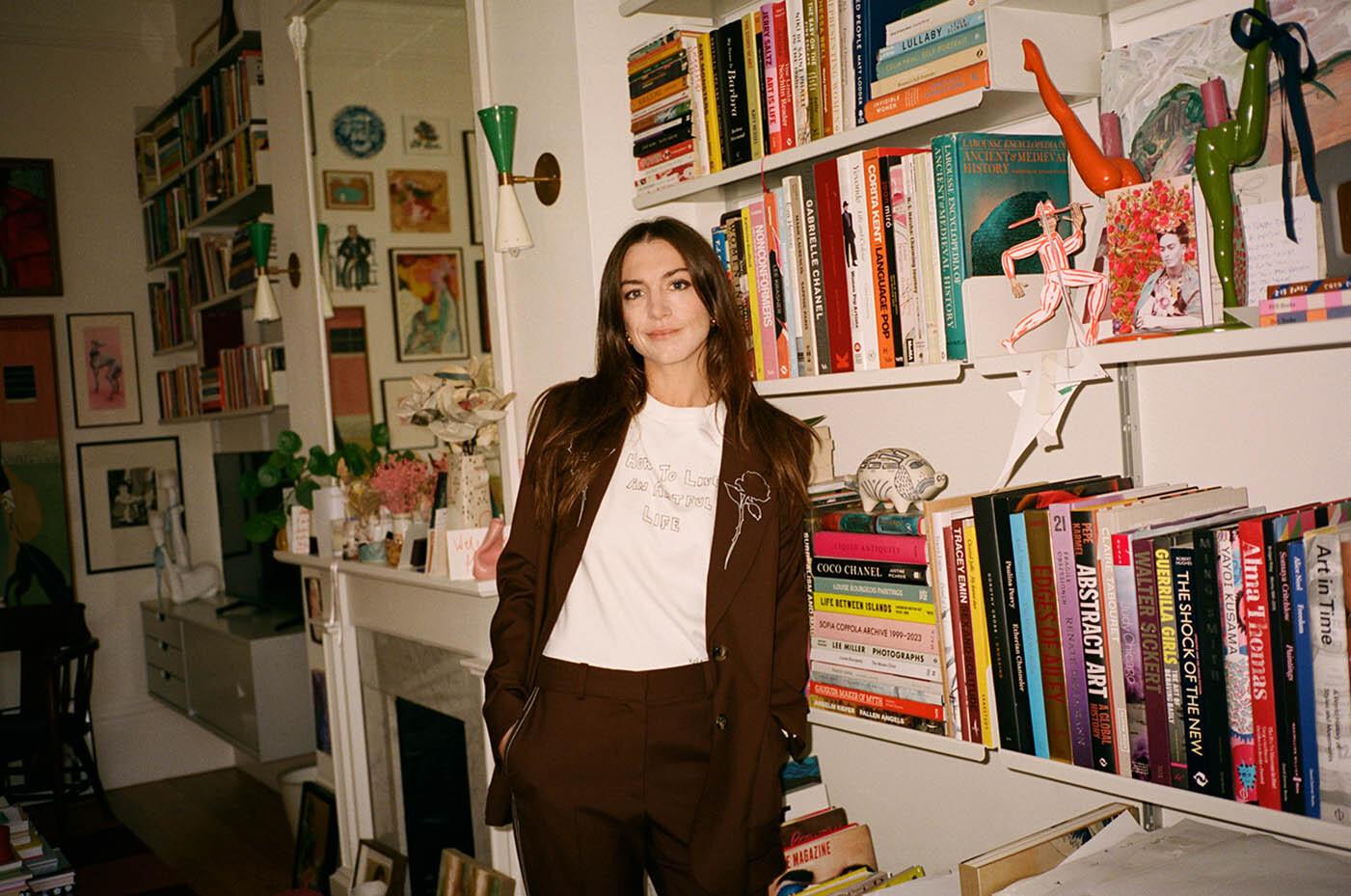
Artists are no different from your I, and if we put ourselves in their position, what would we do? In many ways it's a bit like my other book – How To Live An Artful Life – because there are so many ways that artists can teach us about looking and doing in the world.
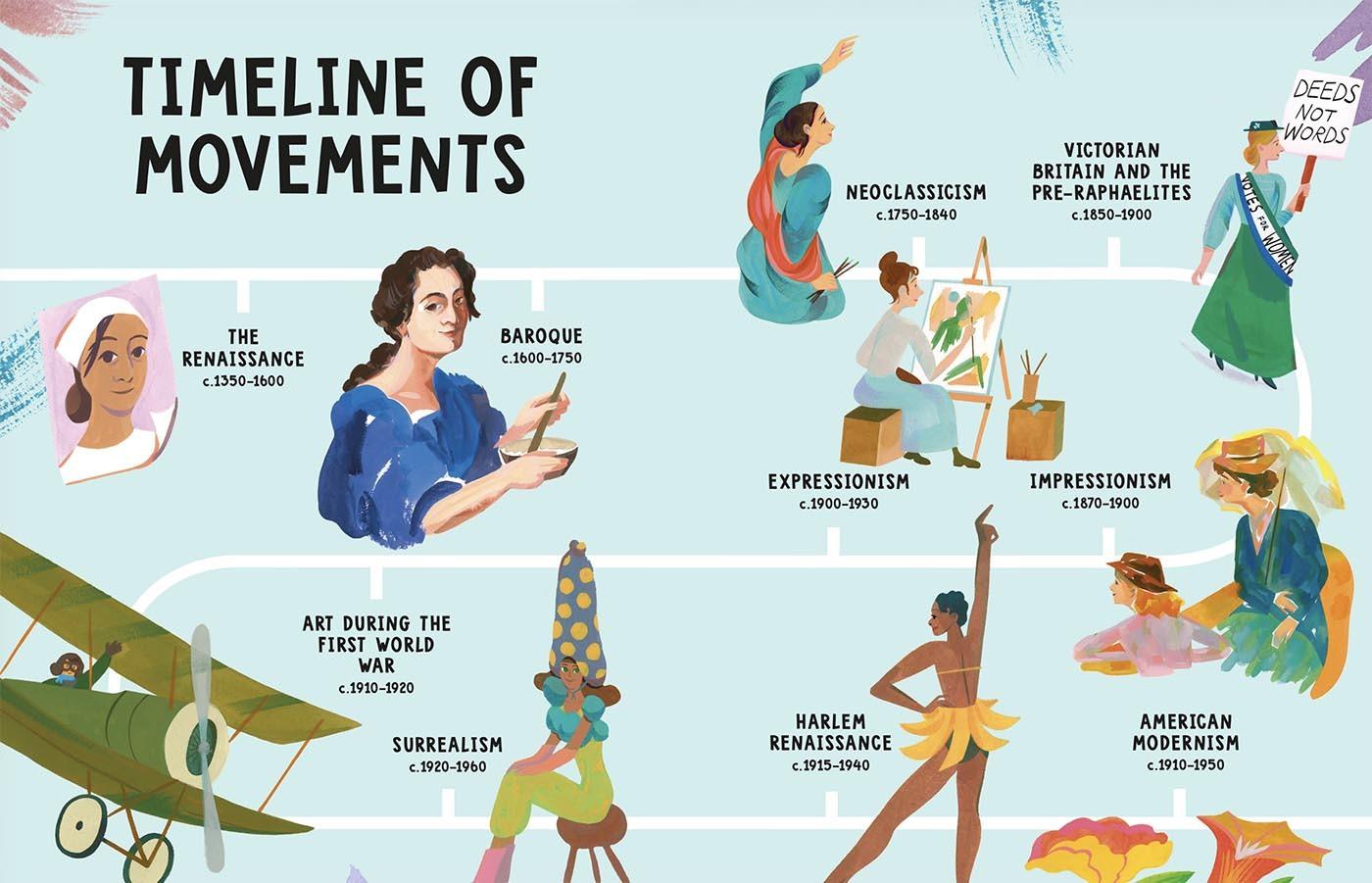
Ping Zhu’s wonderful illustrations don’t simply decorate the text — they actively explain ideas like perspective, movement and symbolism. How closely did you work together on visualising complex concepts for younger readers?
I feel so incredibly lucky to have had Ping Zhu illustrate the text. She's brought it to life in ways that I could never have imagined. It affirms why I love artists because we don't always need words – we need images, too – and that's what she does. I find them breathtaking.

You often return to the idea that not liking an artwork is OK. Why is that an important message for children — and perhaps adults — to hear?
Because art is there to be discussed and debated. Art is subjective – so even we will come back to certain artworks at different moments in our life and see something new and surprise ourselves. Whatever experiences we have witnessed there'll be artworks for that. But if we haven't experienced them, they might not resonate with us yet.
Your voice in the book is so warm, direct and personal. How much of your own early experiences in galleries shaped the way you chose to speak to children here?
I think that I was taught about art in a very non-prescriptive, non-pressured way. It was about joy and beauty and seeing the world. It was my elder sister who really introduced me to art. So I almost want to be that big sister to my younger reader
Do you see this children’s edition as a starting point — and if so, where would you love those readers to go next?
I do! I read so many children's books. One of my favorite authors is Katherine Rundell who I've just interviewed for my podcast for a special episode for World Book Day and the publication of my new book. She wrote a book called Why You Should Read Children's Books Even Though You Are So Old and Wise – and children's books are for everyone. They cut to what Good and Evil is in the most direct and wonderful of ways. Reading or writing a children's book – it's all about looking up at the world. There is so much to come, so much possibility. I would love to continue to write for children, perhaps venturing to something more fictional or fantastical next!
Check out Katy's incredible postcast The Great Women Artists and be sure to follow on Instagram @thegreatwomenartists
Add To List
Add a Wishlist
form to add wishlist here