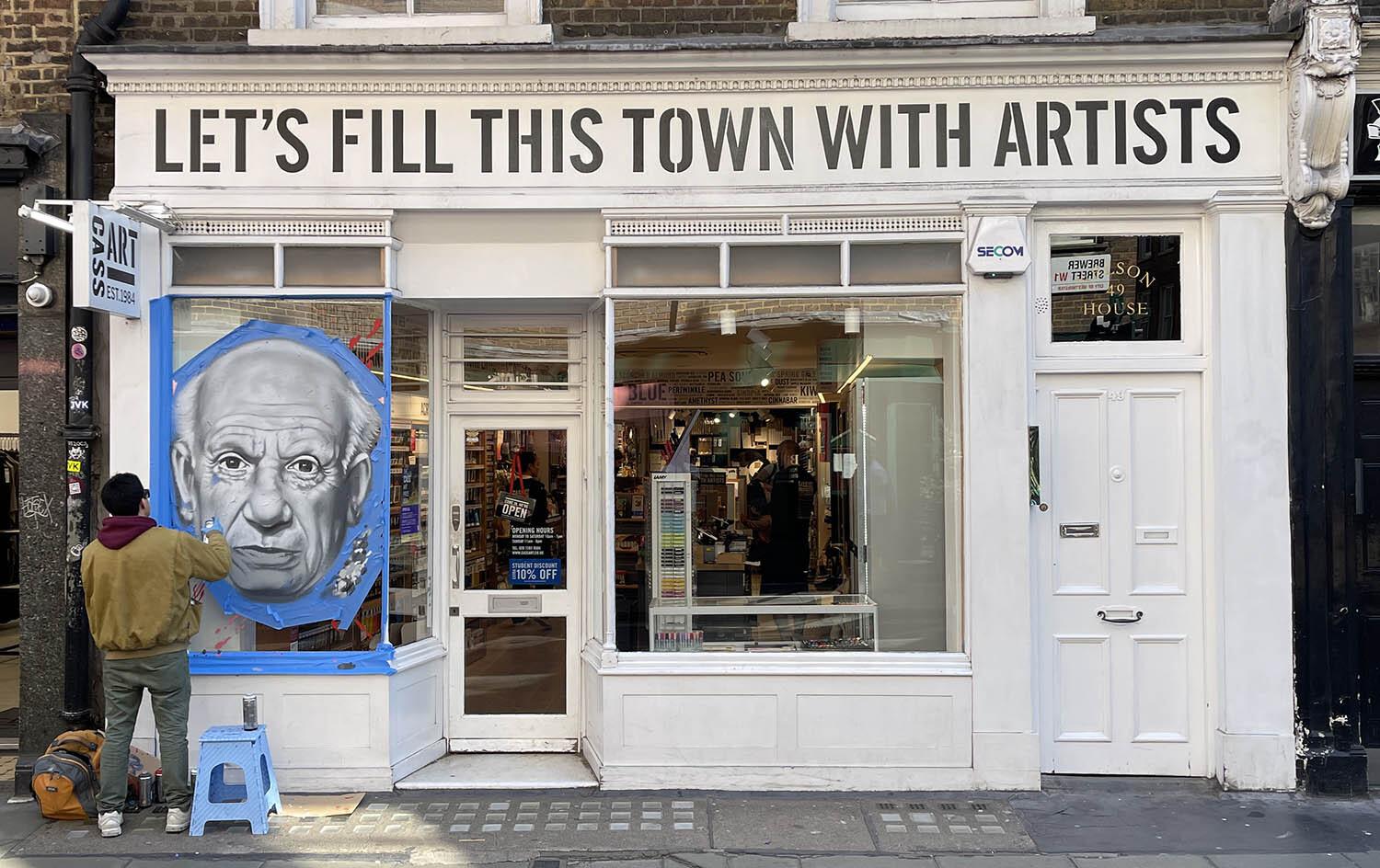
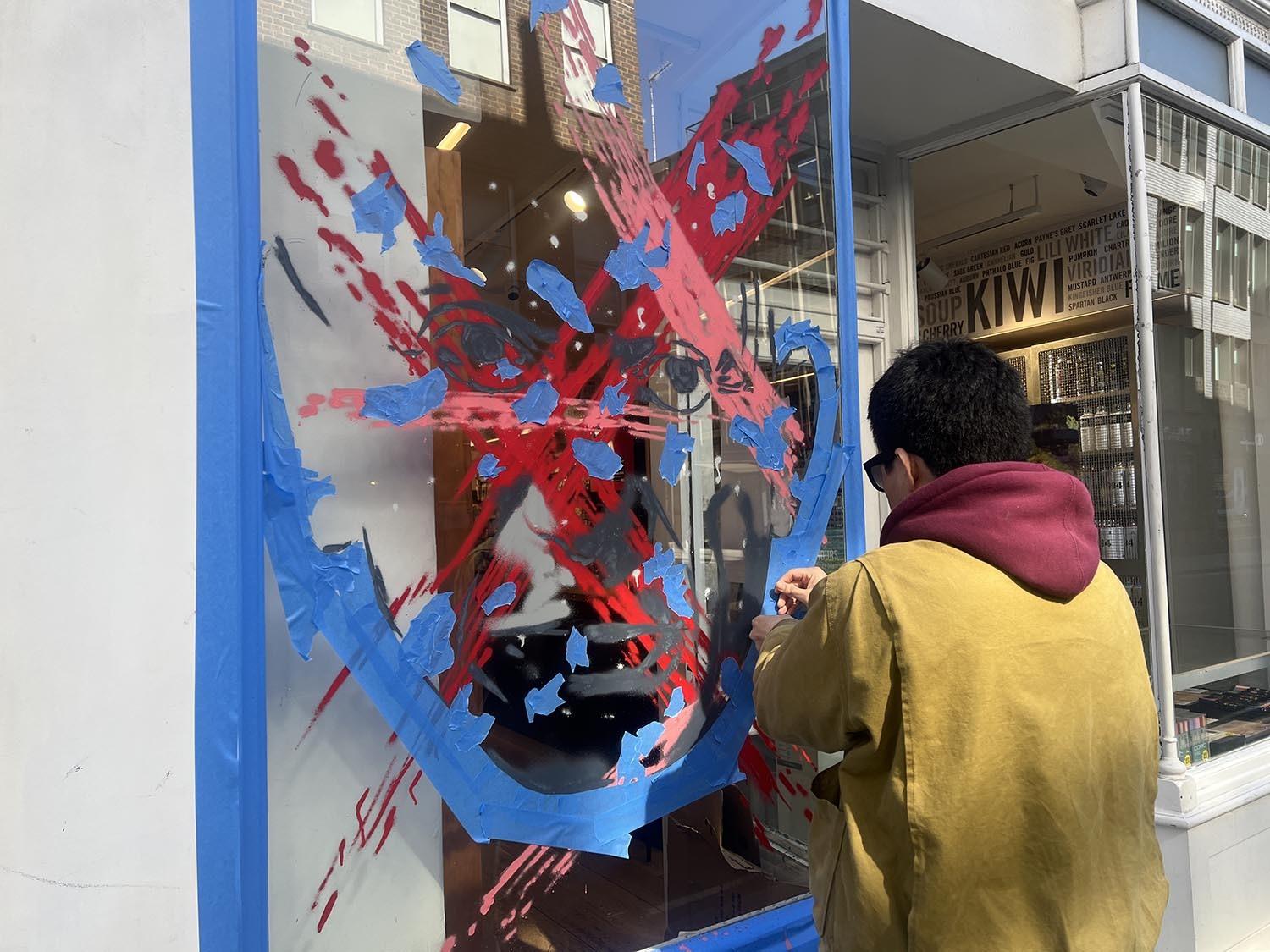
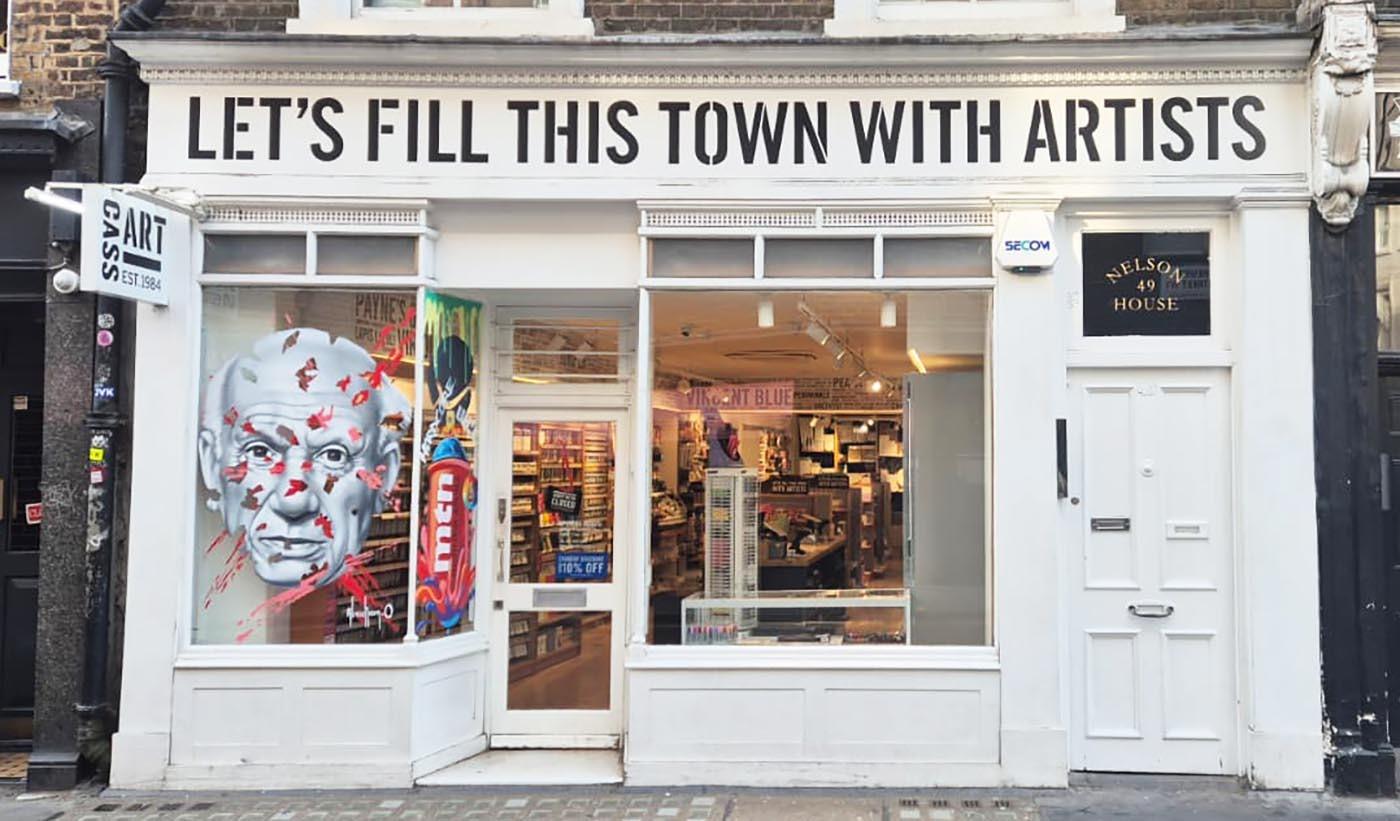
You’re painting our Soho window — a very different surface to a wall on the street. How does that context, and the direct relationship with people passing the store, change how you think about the work?
In terms of surface area, there is not much difference, although controlling the spray on small surfaces makes it more difficult to manage the details.
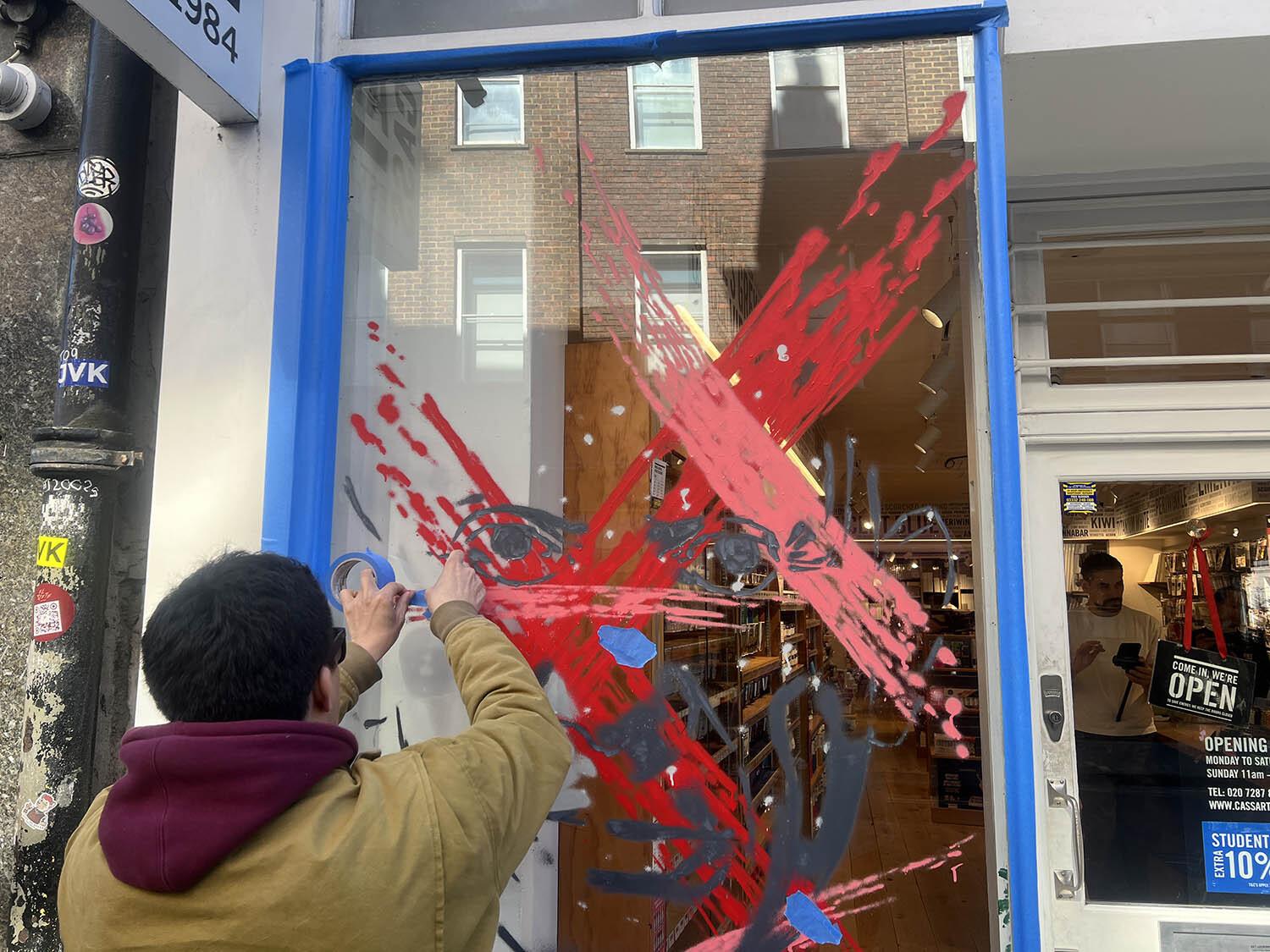
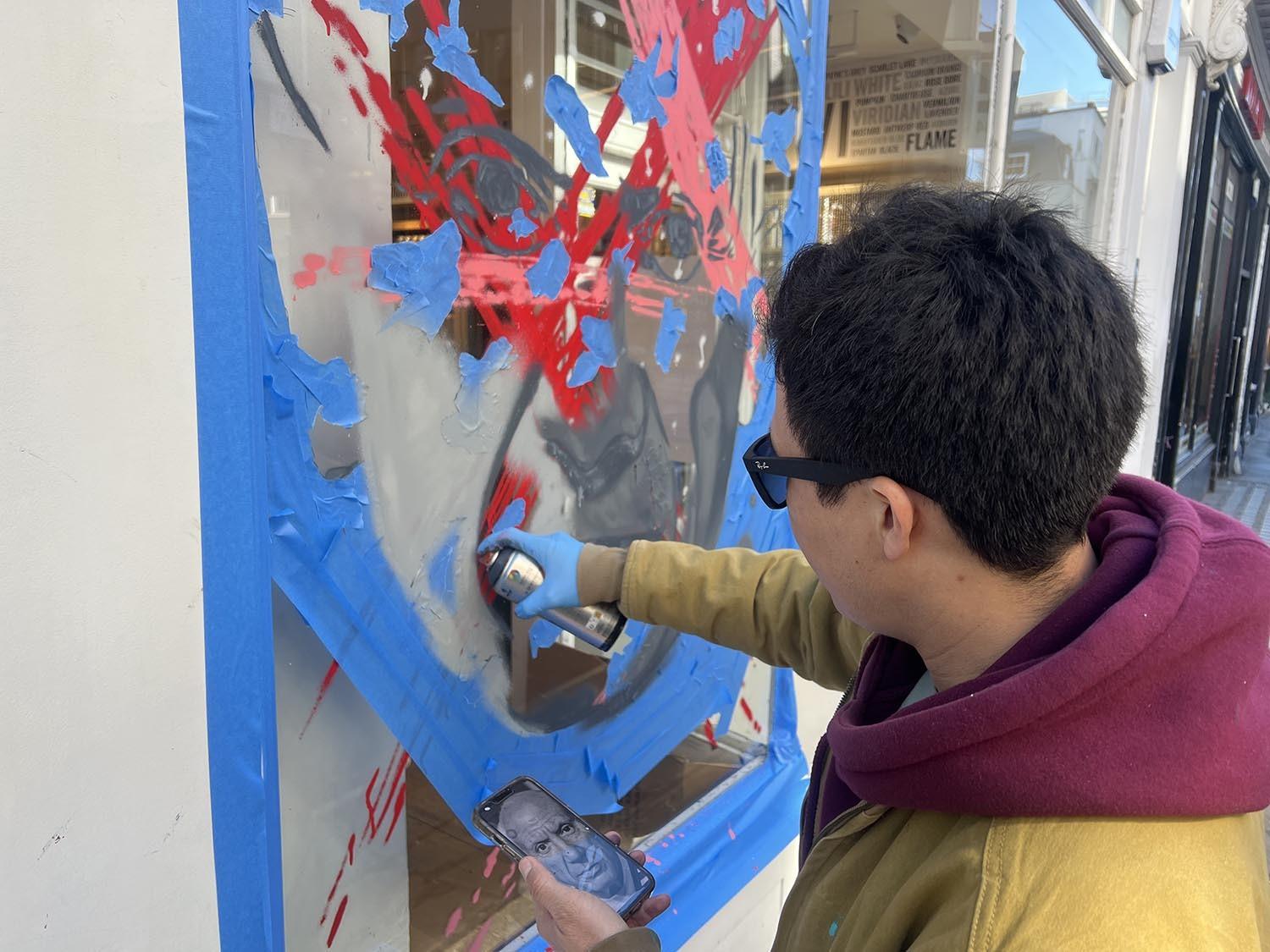
One of the reasons I like urban art is its accessibility to everyone. This allows for greater interaction and therefore a more impactful influence. One of the most common impressions is: how is it possible to paint a portrait with spray paint!
Many people stop, watch and feel curious. Unfortunately, I cannot know what they think although I would love to. However, many are open to asking or sharing a few words of admiration, not to mention the reactions of the children.
Soho is a place where people often encounter things unexpectedly. When someone comes across your work here, what kind of response or feeling do you hope it leaves them with?
Honestly, I never expect my art to generate specific reactions, unlike when I paint themes with specific dialogues. But in the context of interaction, it is always pleasant to see how people stop and react in different ways, admiration for the technique, for the skills, for the result, etc, and in some cases there are also reactions of annoyance, but it is all part of the whole.
Your work sits within the everyday life of the city — how do you choose your locations, and what draws you to a particular wall or space?
There are many factors that influence this practice. Often I look for allowed spaces when I want to work on something structured and I ask the owner of the space for permission when I want to work on something lasting, although this does not guarantee its durability, as it may be covered or damaged for many reasons.
Likewise, many times I just go with the impulse and have painted some spaces illegally, which has brought me trouble on more than one occasion, but it usually happens. I don't think that nowadays there is any artist in the practice of graffiti and urban art who hasn't been tempted by the urge to paint a space that isn't allowed.
You’ve painted across multiple countries. How does working in a new environment - culturally and physically influence the final piece?
In my experience, the environment influences the outcome depending on how comfortable or pressured you feel, the chaos or the calm. Likewise, the weather tends to push you to work more quickly or simply take your time and enjoy every detail of the process.
Street art is often temporary. Does knowing a mural might disappear change how you approach making it?
Urban art is entirely temporary. The difference is that one piece may last longer than another, but the time will come when it deteriorates, leading to its disappearance, or it is simply damaged by someone, painted over, or the space must be demolished.
I do not like to believe that my work in public spaces will become enduring. Nevertheless, I still like to give my best so that the time it exists does not go unnoticed and evokes some emotion in the viewer.
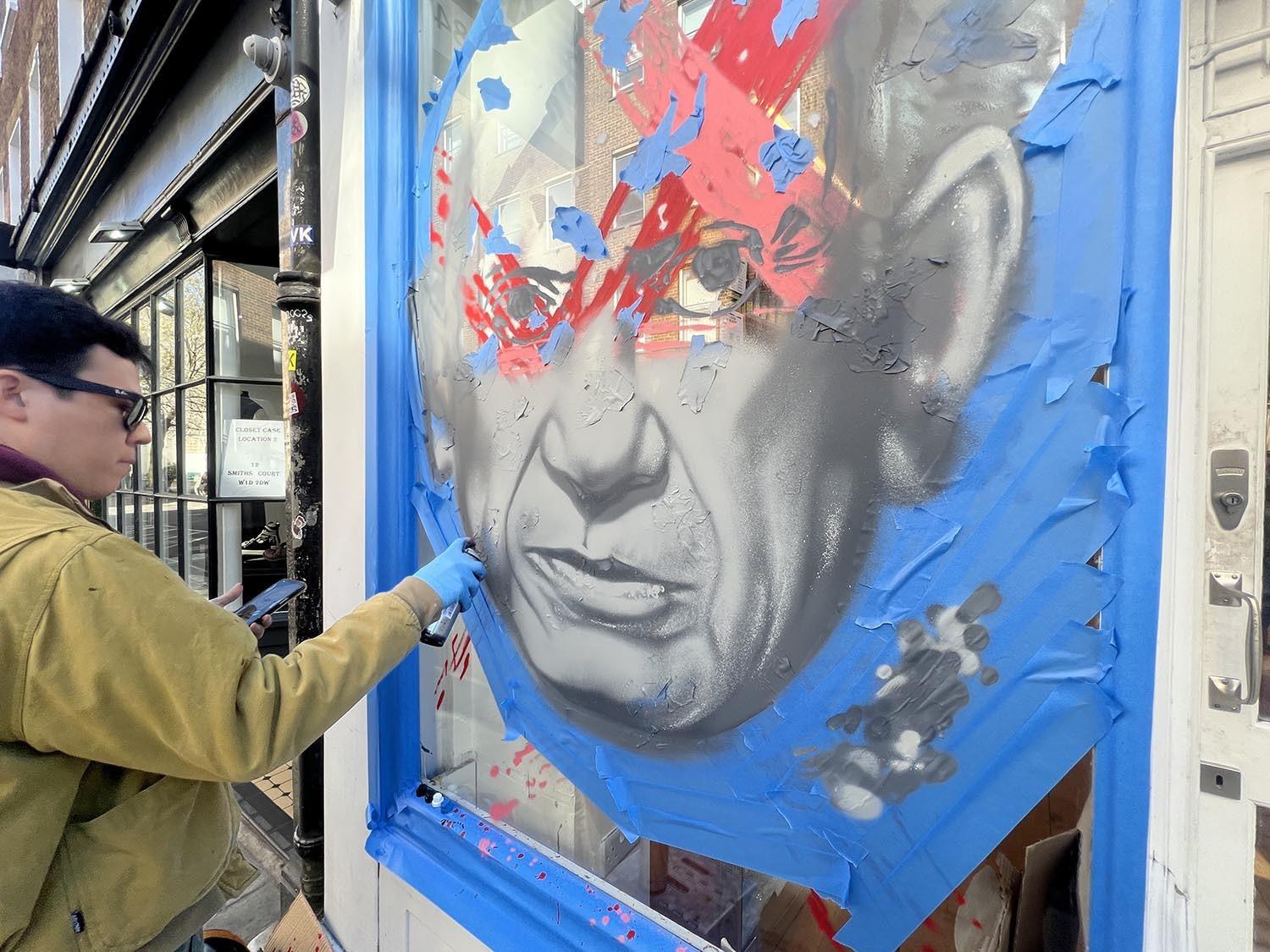
Your techniques range from controlled portraiture to more expressive gestural, mark-making. How do you decide when to be precise and when to let the paint take over?
On many occasions it depends on how I feel, the environment or the naturalness of the project. While maintaining the essence of my work, I often need to express my chaos and at other times experience my calm. This in turn contributes significantly to the constant evolution of my work.
Could you talk to us about your go-to materials for creating a mural? What are your essential spray paint brands?
Throughout my career I have painted the majority of my pieces with spray paint as I love the realistic finish it gives and the precision with which you can work. It tends to be very practical and lightweight. I have also carried out works using only brush paint, which are very enjoyable and striking.
Now, in terms of brand, I have painted most of my work using MTN 94 as I like its matte finish and low pressure. This has allowed me to be more precise in the details, painting realism.
Finally, many of your murals centre on individuals who might otherwise go unseen. What draws you to these subjects, and how do you choose who to paint?
This has been greatly influenced by the environment I come from, a humble family in the rural area of El Salvador where many basic needs have been part of everyday life for many families. I started by painting children and local people´s portraits. Later, as I moved on with my interventions in the urban area, I realised that this, more honestly described, is a social issue. Elderly, children, young people and homeless who cannot afford a dignified life. This does not end here; in my travels I realise that it is a global problem and that no matter how much money there is on earth, the poor will always exist.
So my work evolves into a need to make the invisible visible and through this awaken consciences in search of a more humane society
Add To List
Add a Wishlist
form to add wishlist here