

What makes Sennelier oil paints unique?
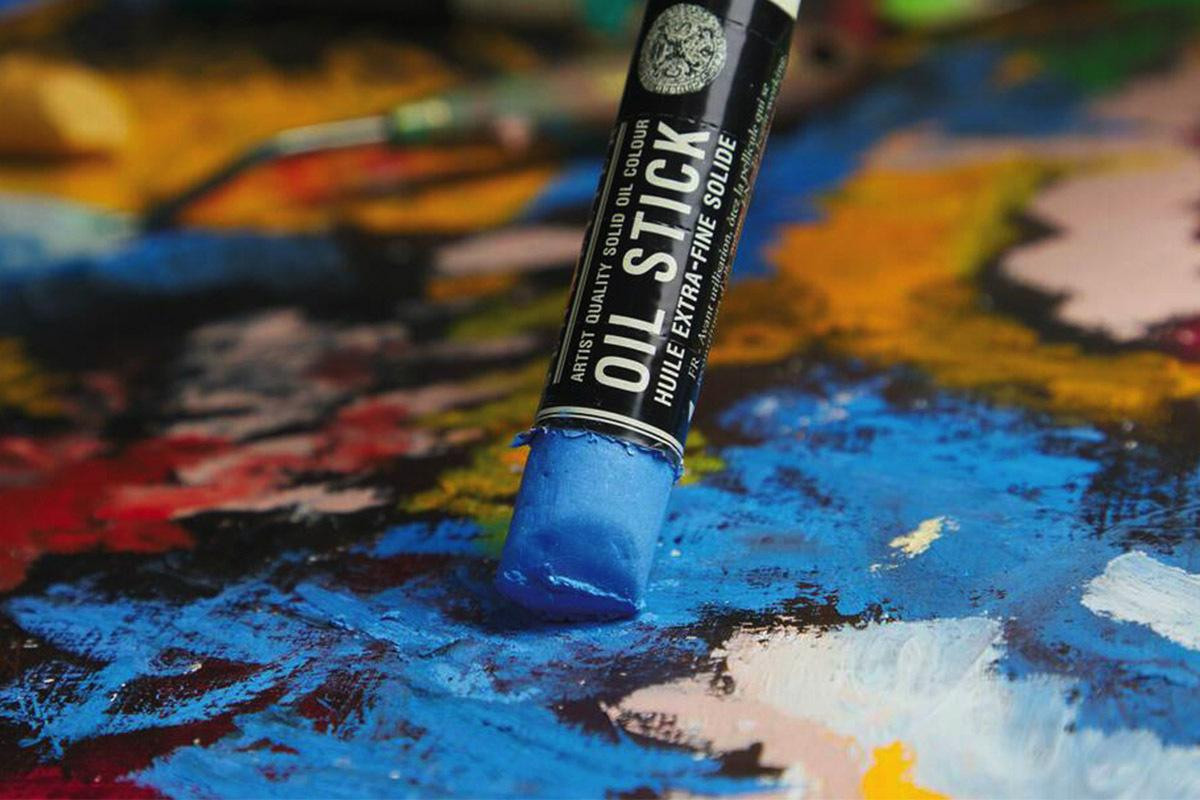
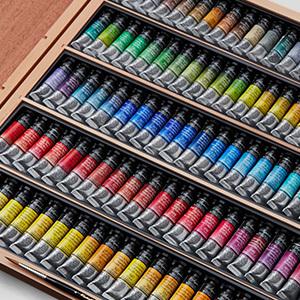
Sennelier oil paints are known for their rich pigmentation, creamy texture, and use of safflower oil for better colour stability and less yellowing over time. They’re favoured by professional artists for their high pigment load and traditional craftsmanship.
Are Sennelier pastels lightfast?
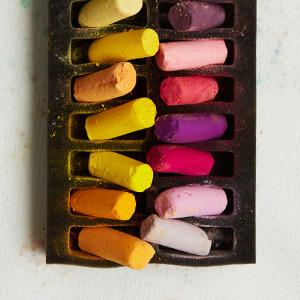
Yes, Sennelier soft pastels are made with pure pigments and minimal binder, offering excellent lightfastness and vibrancy. They're a top choice for artists seeking longevity in their pastel work.
What is the difference between Sennelier Soft Pastels and Oil Pastels?
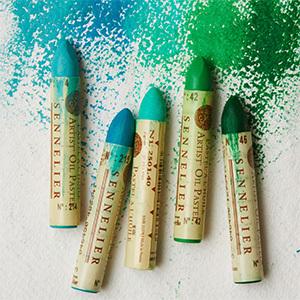
Sennelier Soft Pastels are dry and powdery, ideal for blending and layering, while their Oil Pastels are creamy, buttery, and designed to be used without fixatives. Both are highly pigmented and made to professional standards.
Where are Sennelier art materials made?
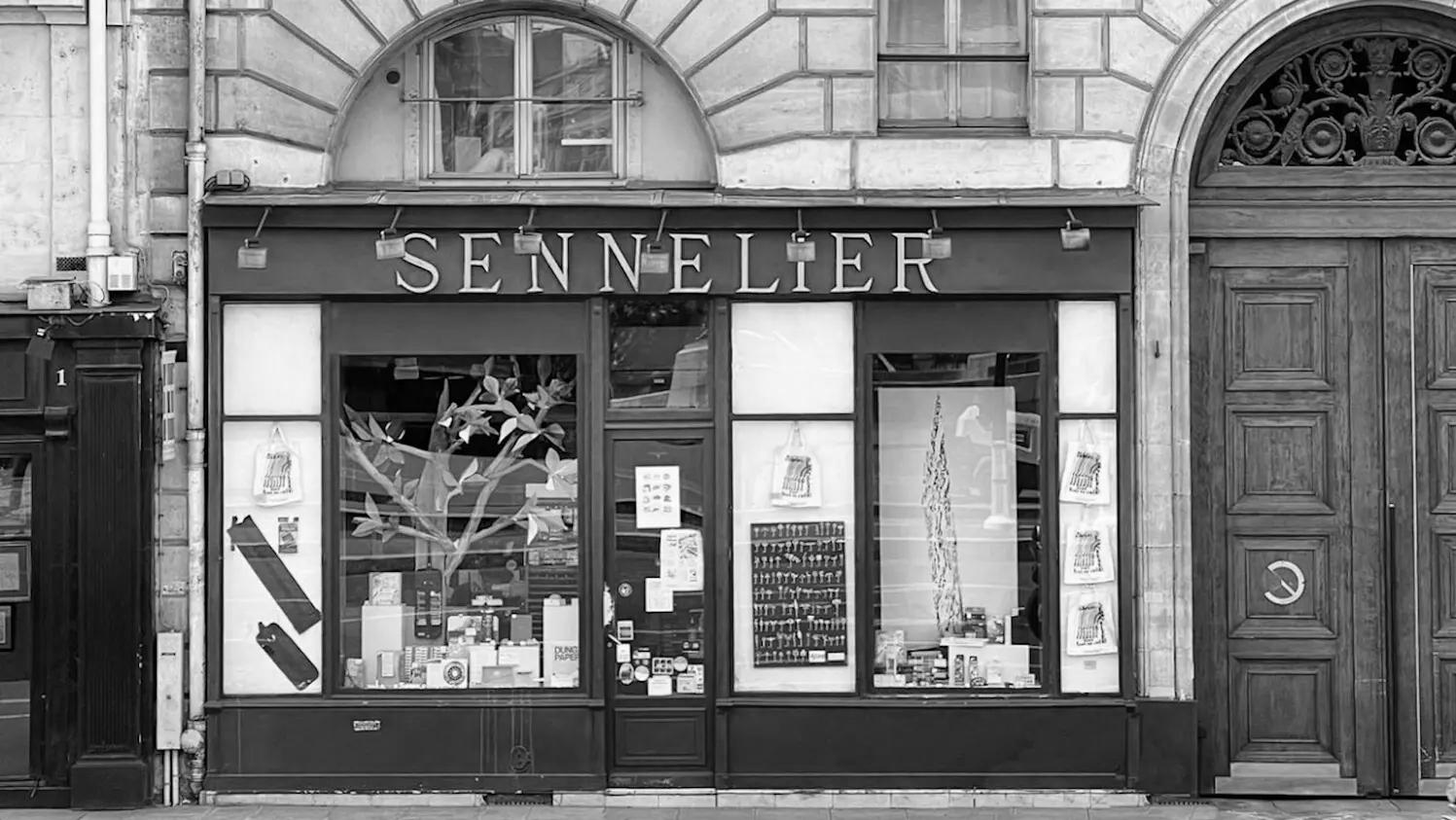
Sennelier products are made in France, maintaining a legacy of craftsmanship that dates back to 1887, when Gustave Sennelier opened his original shop near the Louvre in Paris.
Add To List
Add a Wishlist
form to add wishlist here