

What are the different types of Golden paint?
Golden offers a variety of acrylic paints with distinct characteristics, including:
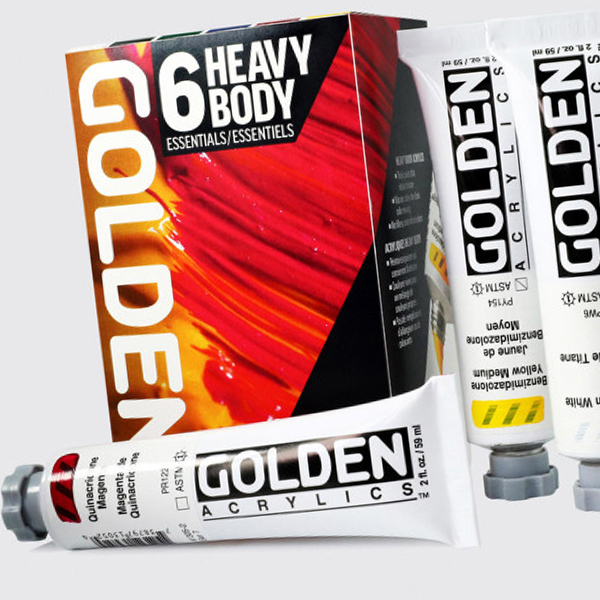
- Heavy Body Acrylics: These are thick and opaque, ideal for impasto techniques and creating textured effects.
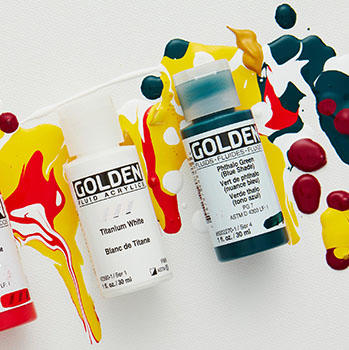
- Fluid Acrylics: Thinner and more fluid than Heavy Body, these are perfect for smooth applications, washes, and airbrushing.
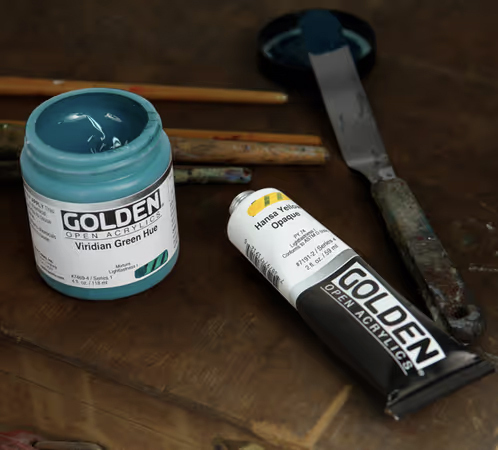
- Open Acrylics: These have a soft, buttery consistency that allows for blending and wet-on-wet techniques.
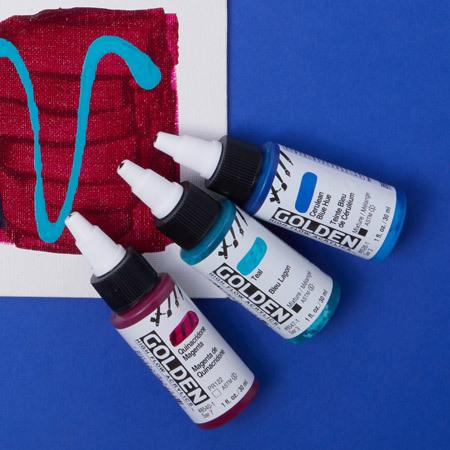
- High Flow Acrylics: These are even thinner than Fluid Acrylics and excel in creating smooth, even washes and fine details.
- SoFlat Acrylics: These are a newer Golden innovation with a matte finish ideal for creating flat, even fields of color.
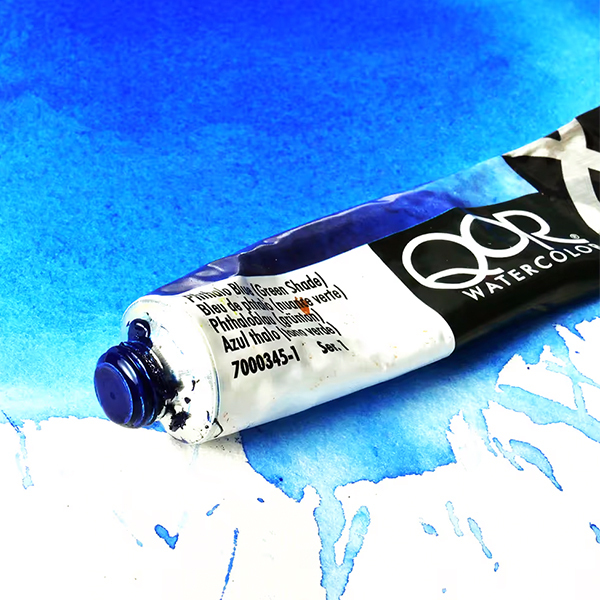
- QoR Watercolors: Golden also offers QoR watercolors, known for their vibrant colors and high-quality pigments.
Which Golden paint is best?
The "best" Golden paint depends on your artistic style and desired outcome. Here's a quick guide:
For bold textures and impasto: Heavy Body Acrylics
For smooth applications, washes, and airbrush: Fluid Acrylics
For blending and wet-on-wet techniques: Open Acrylics
For creating even washes and fine details: High Flow Acrylics
For flat, matte color fields: SoFlat Acrylics
For transparent watercolor techniques: QoR Watercolour
How long does Golden paint take to dry?
Golden acrylics are known for their relatively fast drying times. Depending on the thickness of the application and atmospheric conditions, they can dry to the touch in as little as 30 minutes to a few hours. However, complete drying for thicker applications can take up to 24 hours or more.
How do you store Golden paint?
Here are some tips for storing Golden paints:
- Store them in a cool, dry place away from direct sunlight and heat sources.
- Keep them in their original containers with tight lids.
- Store paints upright to prevent them from leaking or separating.
- Avoid freezing temperatures, which can damage the paint.
- Dispose of dried-out or expired paints responsibly according to local regulations.
Who invented acrylic paint?
Acrylic paint was not invented by one individual, but developed through advances in acrylic resin technology during the 20th century. Sam Golden was an important figure in the development of artists’ acrylics, working with artists to create new formulations and applications for the medium. He later founded Golden Artist Colors in 1980, continuing this artist-led approach to paint development.
Can you mix different Golden ranges together?
Yes. Golden acrylic ranges can be mixed with one another, allowing you to combine their different properties. For example, Heavy Body Acrylics can be mixed with Fluid Acrylics to adjust consistency, while OPEN Acrylics can be introduced to extend working time. Golden gels and mediums can also be added to alter texture, transparency, sheen and handling.
Does Golden make a student-grade range?
Golden focuses on professional-quality artist materials rather than producing a traditional student-grade acrylic range. Its acrylic paints are formulated with high pigment loads and carefully selected materials, with different ranges designed around specific working properties rather than experience level.
Where are Golden paints made?
Golden Artist Colors is based in New Berlin, New York, where its artist paints and materials are manufactured. The company was founded there by Sam Golden in 1980 and continues to develop and produce its materials in the United States.
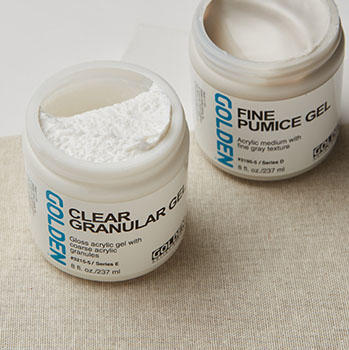
What are Golden gels, mediums and pastes for, and which do I need?
Golden gels, mediums and pastes allow you to change the working properties of acrylic paint without simply adding more colour. Mediums can alter flow, transparency, sheen and drying characteristics; gels are useful for adding body and building texture; and pastes can create more substantial or textured surfaces. The right choice depends on the effect you want to achieve, from glazing and pouring to impasto and highly textured applications.
Do Golden acrylics dry darker or shift colour as they dry?
Like other acrylic paints, Golden acrylics can show some colour change as the water evaporates and the acrylic binder dries. Golden has developed different binder technologies across its ranges to help manage this effect, so the amount of colour shift can vary depending on the product, colour and application.
What surfaces can you use Golden acrylics on, and do you need to gesso first?
Like otGolden acrylics can be used on many properly prepared surfaces, including canvas, wood, paper and board. Whether you need to apply gesso depends on the surface and the result you want. Gesso creates a more consistent, absorbent ground and can help prepare porous or unprimed supports for painting. Always check the requirements of less conventional surfaces before applying acrylic paint. her acrylic paints, Golden acrylics can show some colour change as the water evaporates and the acrylic binder dries. Golden has developed different binder technologies across its ranges to help manage this effect, so the amount of colour shift can vary depending on the product, colour and application.
How should you thin Golden acrylics: water or medium?
Golden acrylics can be thinned with water or an acrylic medium, depending on the effect you want. A small amount of water can reduce viscosity and improve flow, while Golden mediums allow you to change consistency and transparency while maintaining more of the acrylic binder. For substantial thinning, a suitable acrylic medium is generally the better choice.