


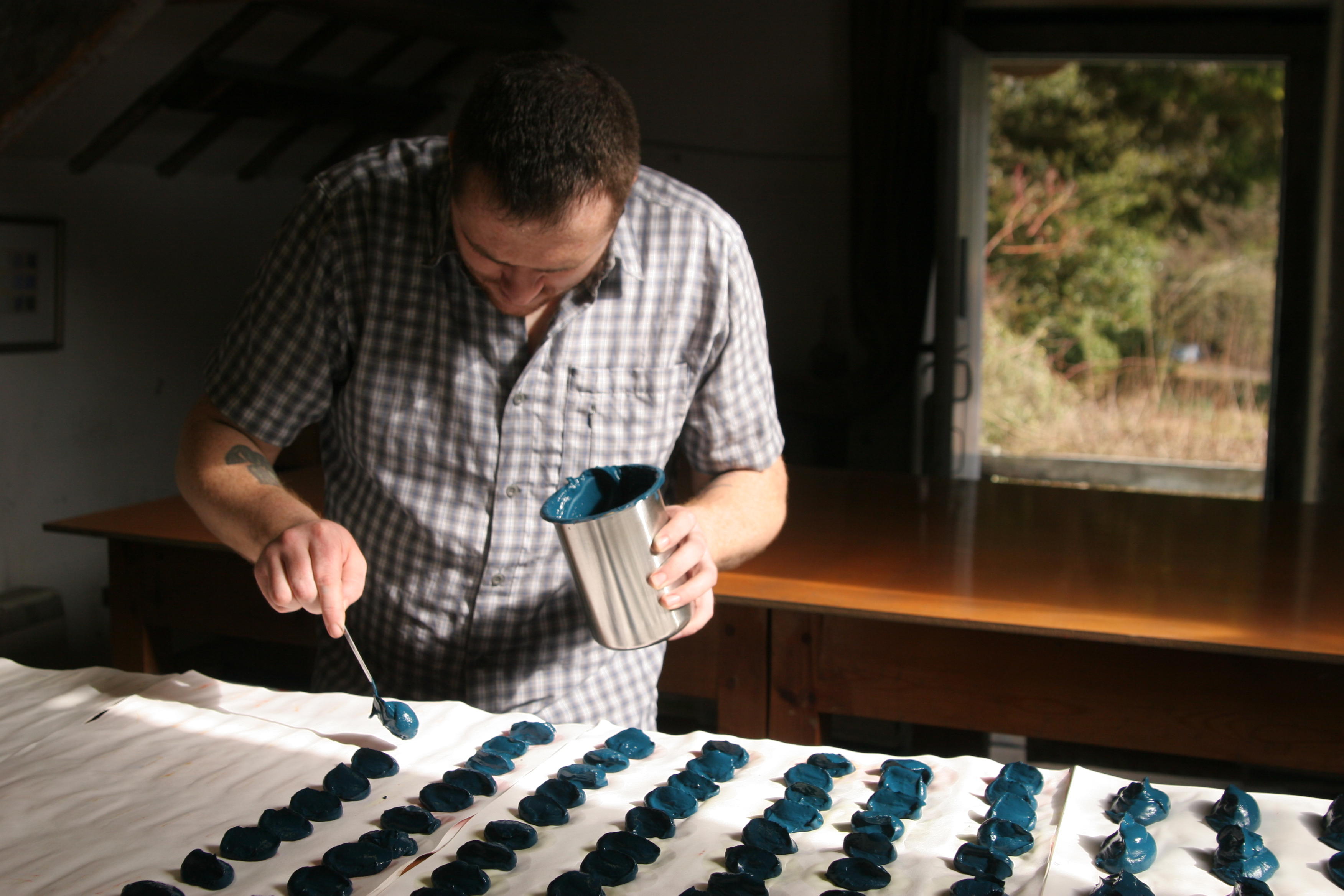
HOW DO YOU USE PASTELS?
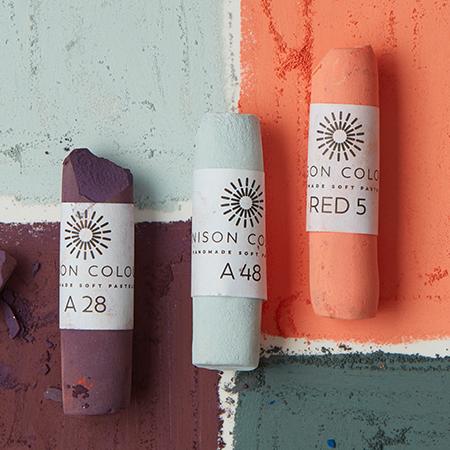
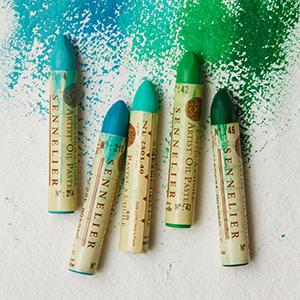
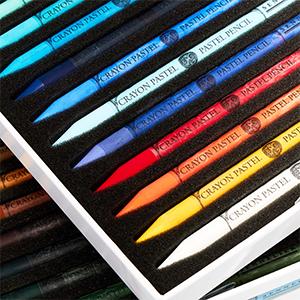
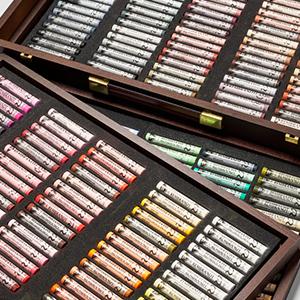
Pastels offer a versatile medium for artists of all levels. Soft pastels are ideal for blending and layering due to their powdery consistency, while hard pastels provide more precise lines and details. Oil pastels, with their waxy texture, create a vibrant finish and can be blended with solvents. To use pastels effectively, experiment with techniques like layering, blending, scumbling, and sgraffito. Remember to use a fixative spray to prevent smudging and choose a paper with a suitable tooth. With practice and experimentation, you can master the art of pastel painting and create stunning works of art.
DO YOU NEED SPECIAL PAPER FOR PASTELS?
Yes, you do need special paper for pastels. The type of paper you use can significantly impact the outcome of your pastel artwork. The best paper for pastels has a tooth, or texture, that helps the pastel adhere to the surface. This prevents the pastel from smudging or blending excessively. Popular choices for pastel paper include: Pastel paper: Specifically designed for pastel work, offering a variety of textures and weights. Colored paper: Can add a unique base to your pastel artwork. Cardstock: Provides a sturdy surface for pastels. For a more detailed guide on choosing the right pastel paper and to explore our selection, visit our Pastel Paper category: https://www.cassart.co.uk/drawing/pastels
HOW DO I FIX AND PROTECT A PASTEL ARTWORK?
Use fixative in light passes. It helps reduce smudging but can slightly deepen or dull colour, so test first. For finished work, many artists prefer framing behind glass without heavy fixing to preserve the vibrancy.
WHAT'S THE DIFFERENCE BETWEEN SOFT PASTELS AND OIL PASTELS?
Soft pastels and oil pastels are both popular art mediums, but they offer distinct characteristics and working experiences.
Soft pastels are primarily composed of pigment and a gum arabic binder, resulting in a soft and powdery texture. They are best used on textured surfaces like paper or cardboard and can be easily blended or shaded. They dry quickly, allowing for immediate layering and corrections.
Oil pastels, on the other hand, contain pigment, a binder, and oil, giving them a greasier and more waxy texture. They can be used on a variety of surfaces, including paper, canvas, and glass. Oil pastels have a slower drying time due to the oil content, which allows for more blending and layering.
In summary, soft pastels are ideal for those seeking a quick-drying, powdery medium for blending and shading, while oil pastels offer a more versatile and waxy texture, allowing for more blending and layering. The choice between the two often depends on personal preference and the desired outcome of the artwork.
Add To List
Add a Wishlist
form to add wishlist here