
Two months ago, amid heatwaves, I took the day off to play tour guide for my friend visiting from Australia. We fancied a more cultured day and west London was calling! A glorious day - it was a perfect collision of stunning British summer weather and the lush, sprawling 320-acre landscape of Kew Gardens.
I’m a regular visitor at Kew but this was my first experience of the ‘Henry Moore: Monumental Nature’ exhibition'. The largest open-air Moore exhibition ever staged, it features 30 monumental bronzes seamlessly integrated into the UNESCO World Heritage site. We were in for a treat! And A LOT of walking!
Two months ago, amid heatwaves, I took the day off to play tour guide for my friend visiting from Australia. We fancied a more cultured day and west London was calling! A glorious day - it was a perfect collision of stunning British summer weather and the lush, sprawling 320-acre landscape of Kew Gardens.
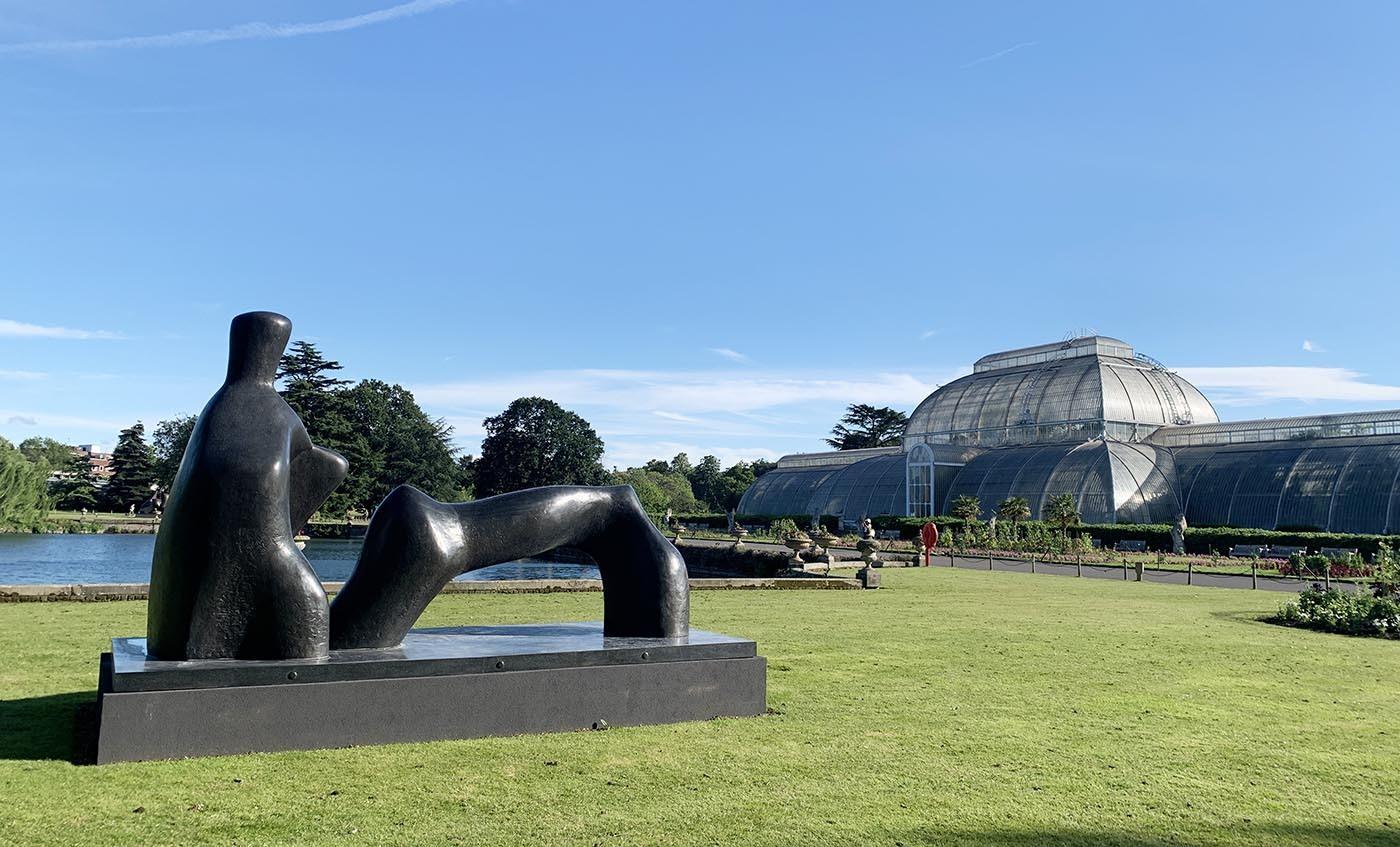
We entered Kew Gardens through the Lion Gate and were met with the Two-Piece Reclining Figure No. 2. We learned it was created in 1960, marking a pivotal moment where Moore split the traditional human figure into distinct bronze masses, making the empty space between them an active part of the sculpture. The heavy, gouged textures were inspired by eroded coastal rock formations, blurring the boundary between human anatomy and geology. The sculpture changes dramatically depending on where you stand - we were about to learn this was a common thread throughout the trail!
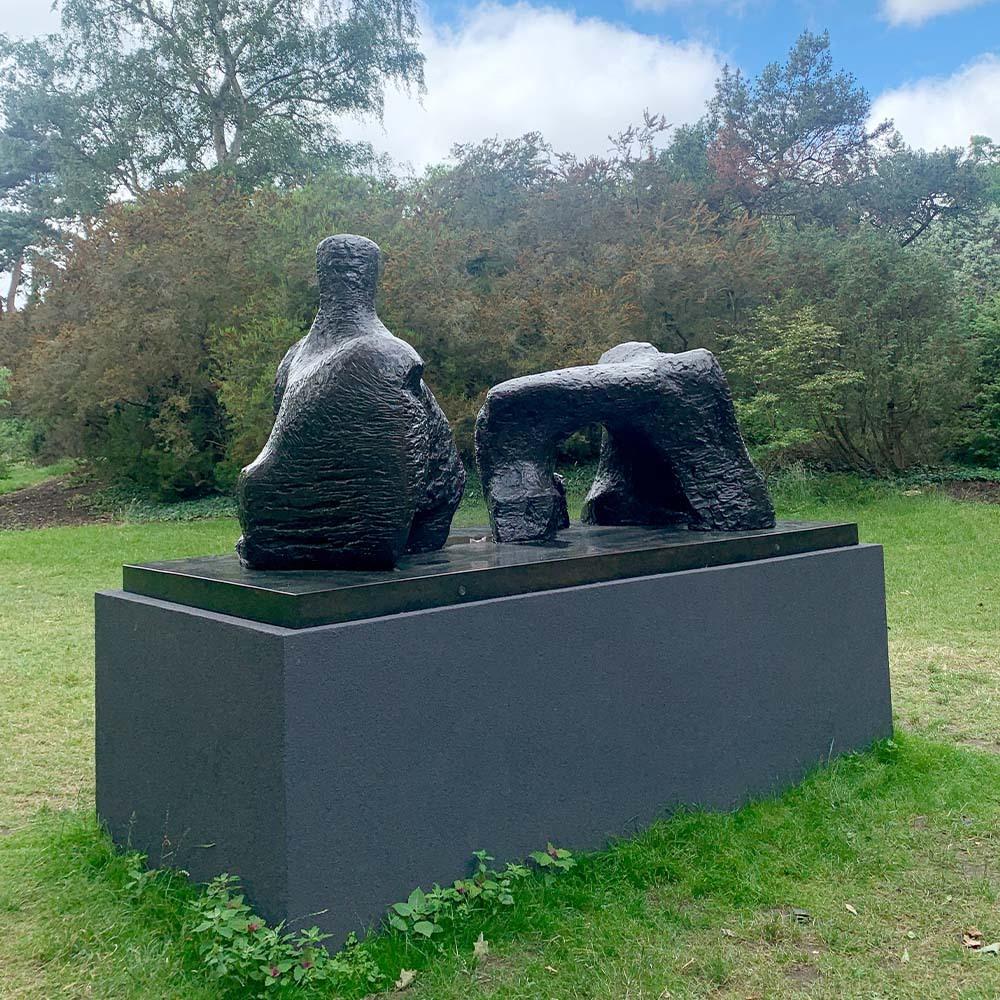
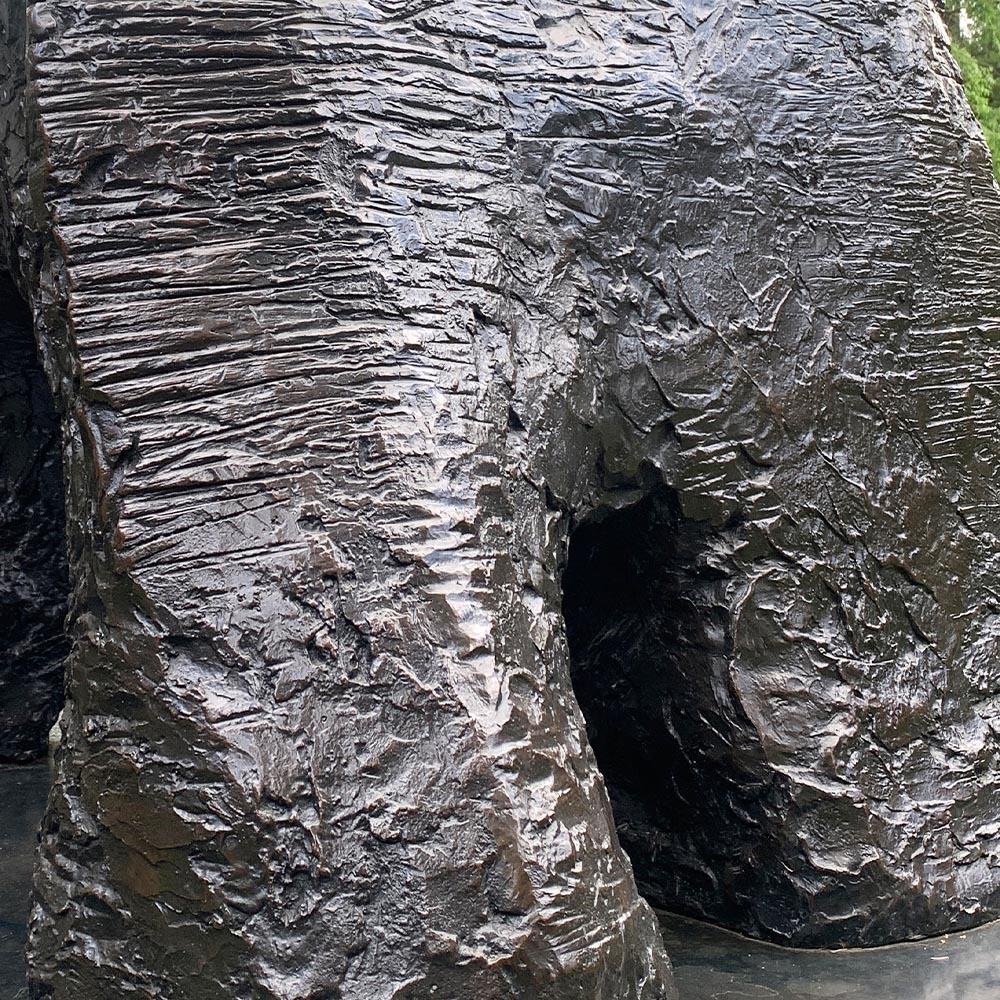
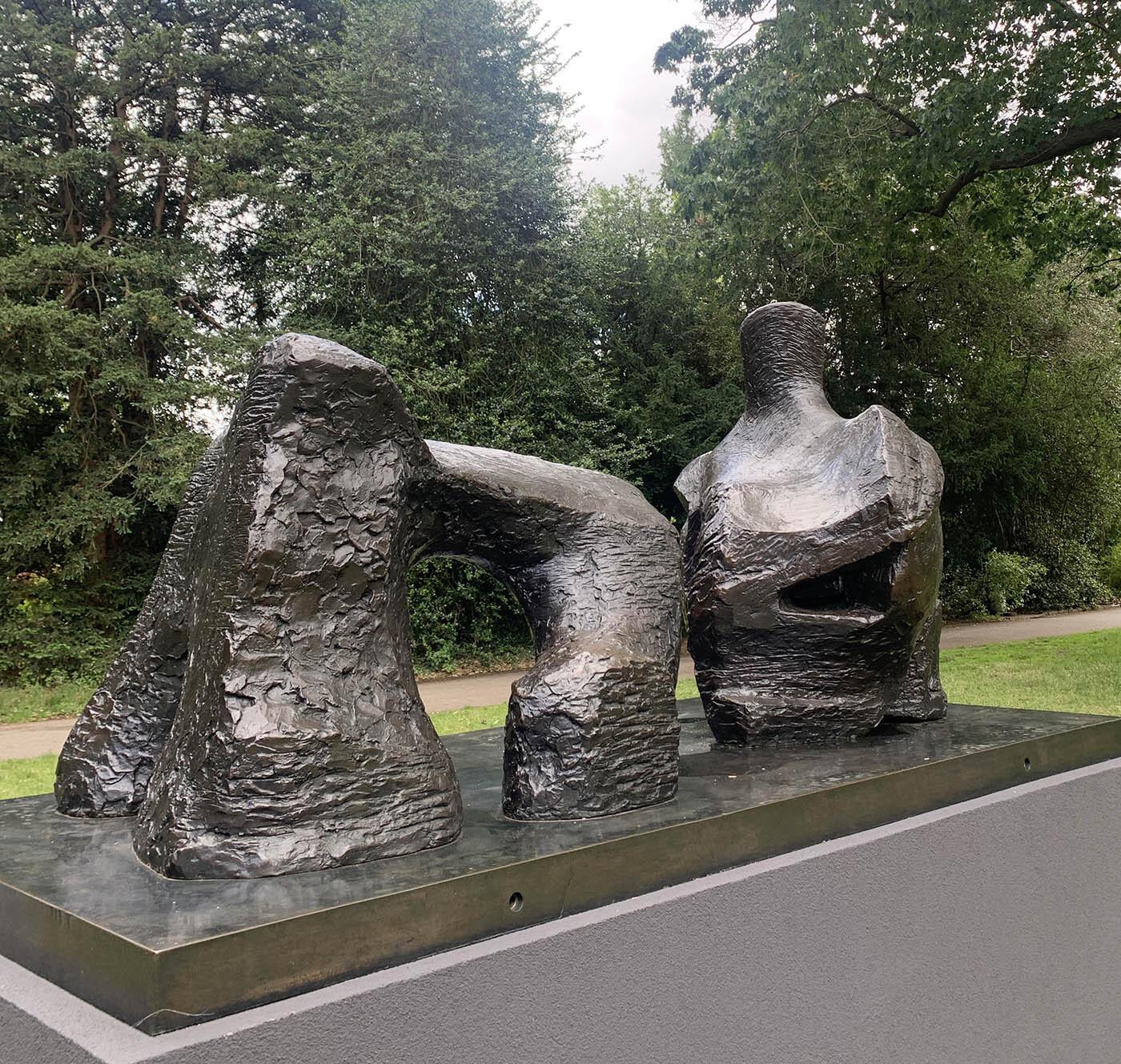
Moore always believed his sculptures were best viewed in nature, and this showcase at Kew proves his point perfectly. Many of the sculptures feel like part of the landscape rather than ‘placed’ almost as if they grew out of the earth. An obvious master of materiality - his bronzes possess an ethereal greeny brown patina that, in their current setting, contrast beautifully with the vibrant summer botanicals. The bright summer sunlight kisses the bronze and shines back at you from the smooth surfaces yet is absorbed by the rough textured areas. There was something rather mesmerising about it all.
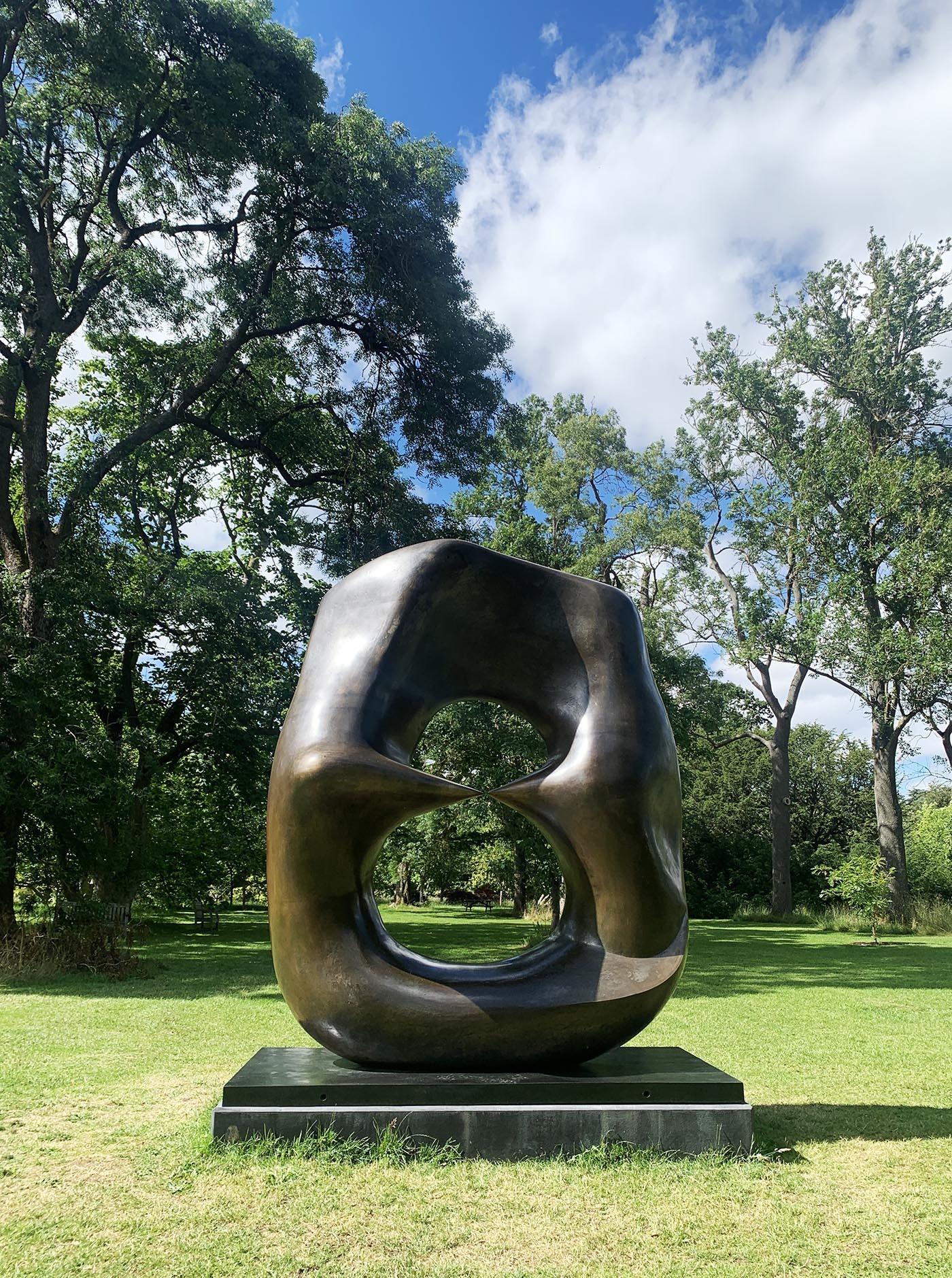
Encountering Oval with Points we were met with a ‘window’ that perfectly framed a picnic table in the greenery. At first, somewhat sinister looking with its spiked nodes, and indeed modelled from an animal skull, the piece was calmed by its curves with the gap creating a dynamic visual energy, inviting human interaction. It felt perfectly at home, looked down upon by the surrounded tree giants.
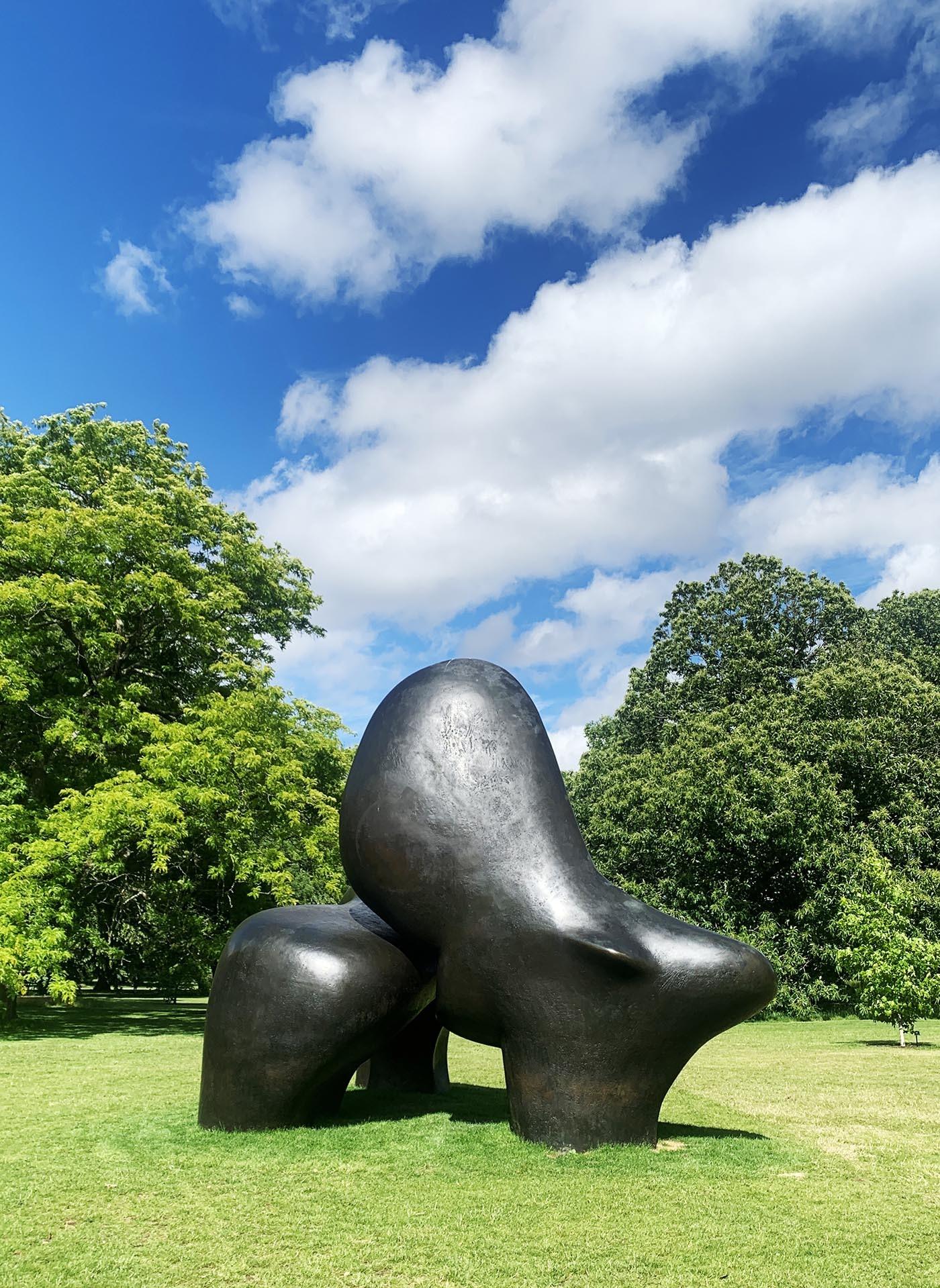
Not too far away, nestled amongst nature - as Moore originally conceptualised it - ‘Sheep Piece’ looked as if two giant objects were hugging - in an almost protective nature. Indeed the artist modelling this bronze off his Hertfordshire studio surroundings, depicting grazing sheep in the rolling fields, it was charming to read it has frequently served as actual shelter for animals in other outdoor settings!
Sitting near the lake in front of the main glasshouse, Three Piece Sculpture: Vertebrae greeted us. It also uses animal bones as a cast, a more obvious depiction in my view, the three distinct smooth masses are arranged horizontally an almost rhythmic silhouette. The individual pieces don’t physically lock, rather give an impression of a skeletal spine at rest, rather peaceful in front of the deep turquoise water.
Taking a break from the sun and the scale of outdoors we headed to the intimate, quiet space of the Shirley Sherwood Gallery of Botanical Art. In here we discovered over 70 smaller works on paper, models, and moquette's - equally impressive as a standalone exhibition. Moore was believed to have ‘thought with his hands’ with an obvious fascination with organic forms - bones, stones, shells, and roots - this showcase was true to form. We particularly enjoyed seeing the moquette's in close proximity to the main sculptures -seeing these small studies alongside the finished giants gave us a profound appreciation for his creative process. (little and large)
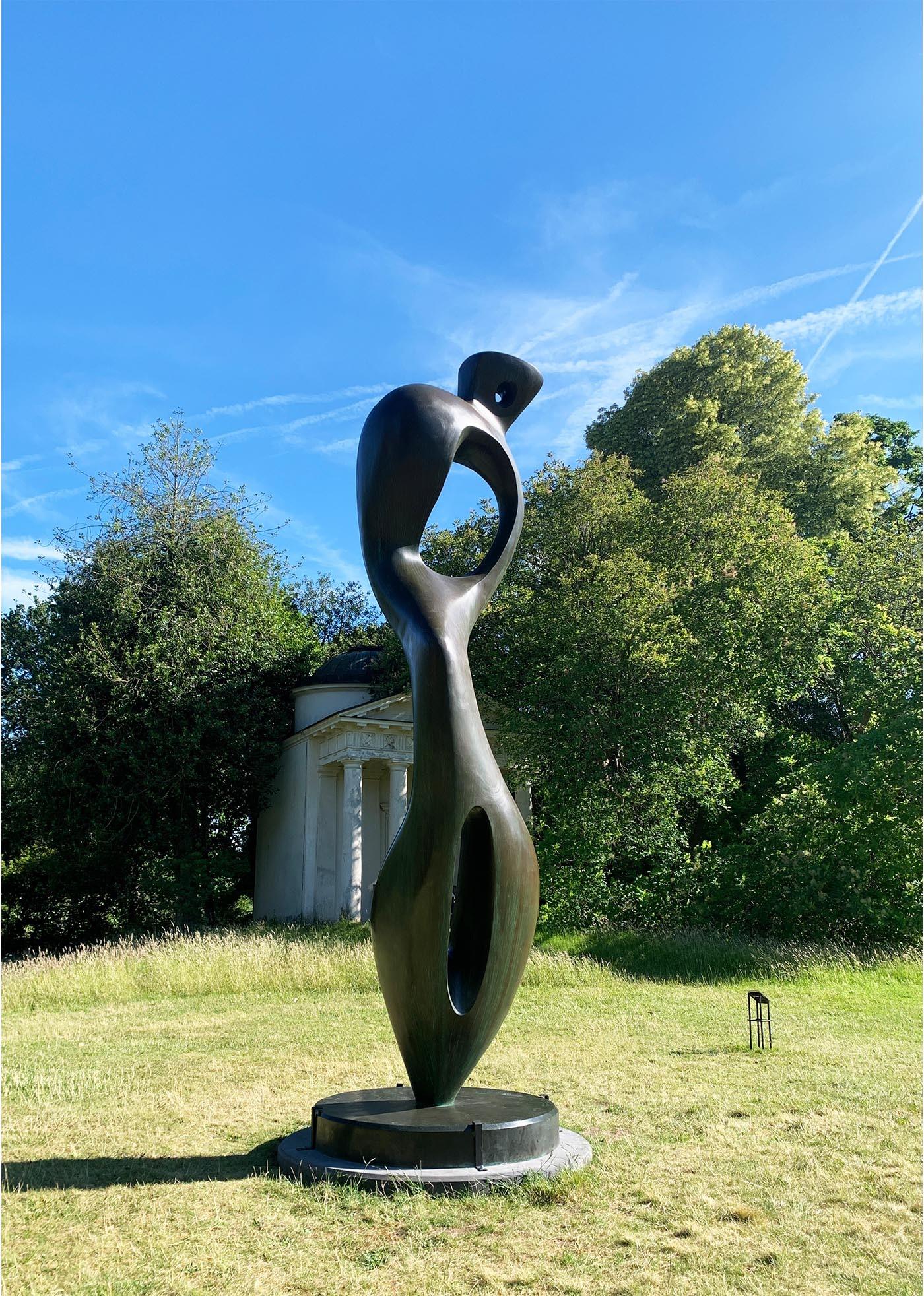
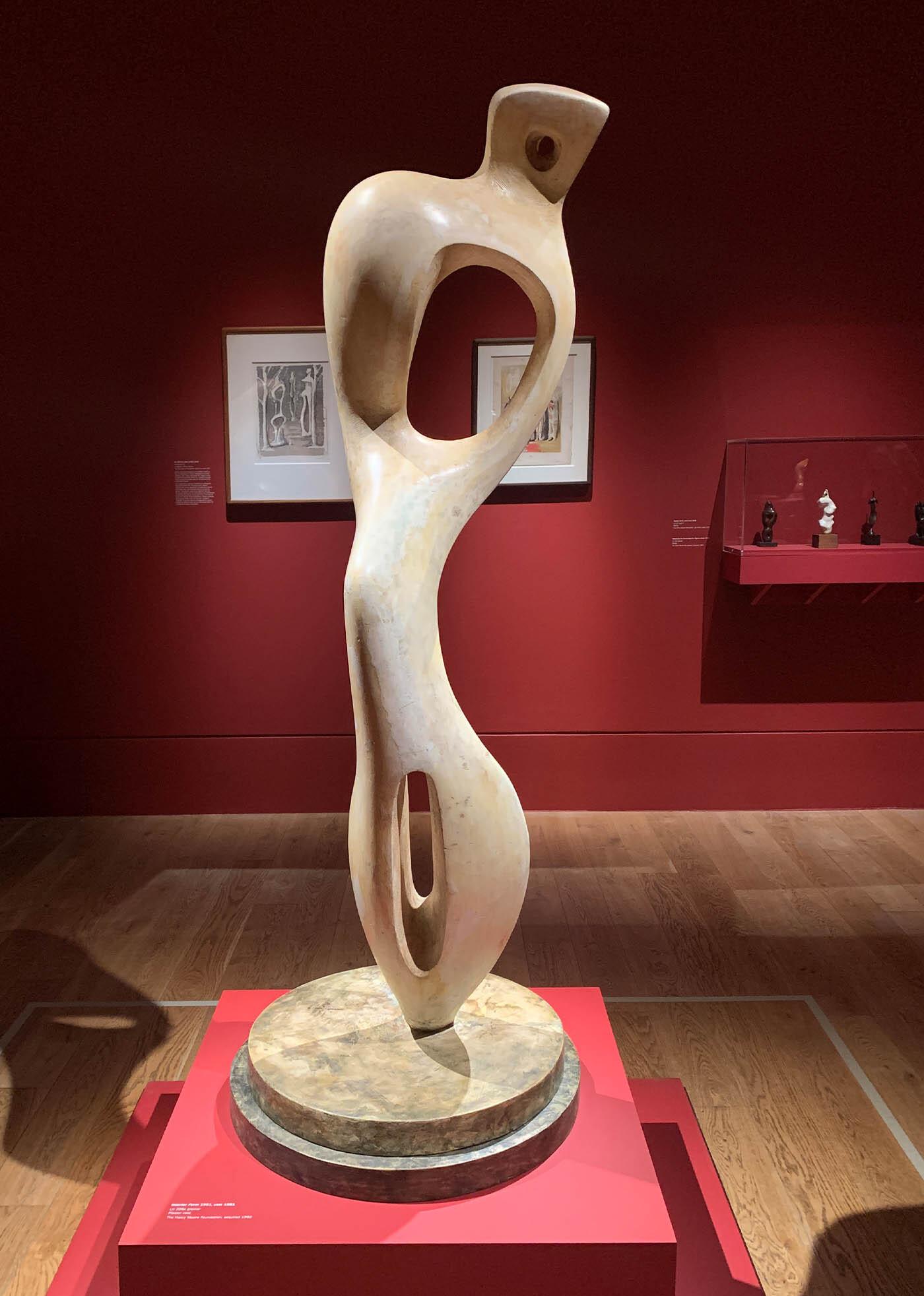
The sheer scale of the 30 sculptures makes such an impression that you can’t help but think about the physical labour and ambition of sculpting in bronze. The exhibition forced us to slow down and unlike a traditional gallery where you shuffle from room to room, this exhibition involved walking miles through nature. It allows the art to ‘breathe’ and our minds to take a break from everything moving so fast. We were left us impressed and inspired to get sculpting and sketching, even if on a significantly smaller scale! Kew is perfect for a plein air session, as we witnessed many doing.
This is a once-in-a-generation showcase (running until January 31, 2027) and an absolute must-see before it closes. Just remember to wear good shoes (30 sculptures across 320 acres is a trek!) and pack a picnic.
Add To List
Add a Wishlist
form to add wishlist here